The factory for
advanced composites.
Modular. Autonomous. Digital. Built for rate production.
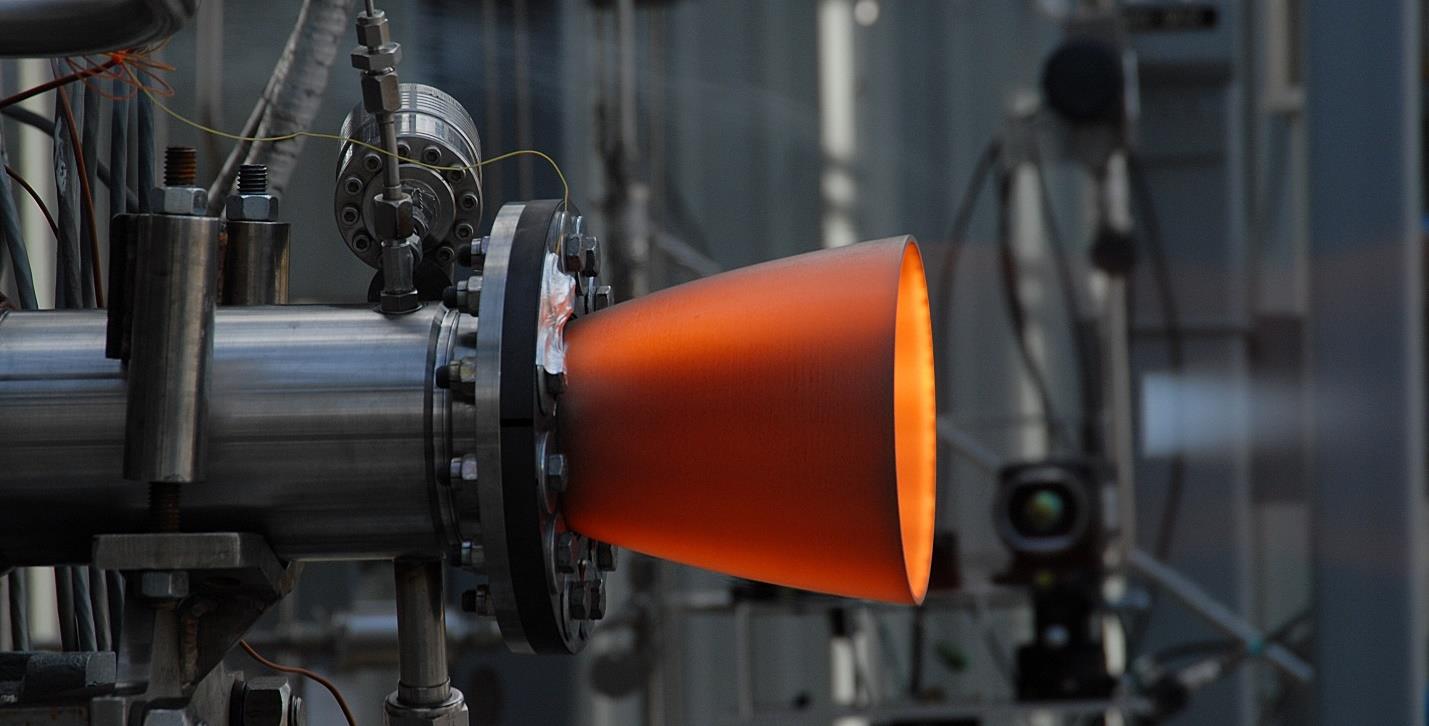 Hot fire
Photo: NASA
Hot fire
Photo: NASA
Modular. Autonomous. Digital. Built for rate production.
Hot fire
Photo: NASA
One platform. Every category. The factory is indifferent to the part.
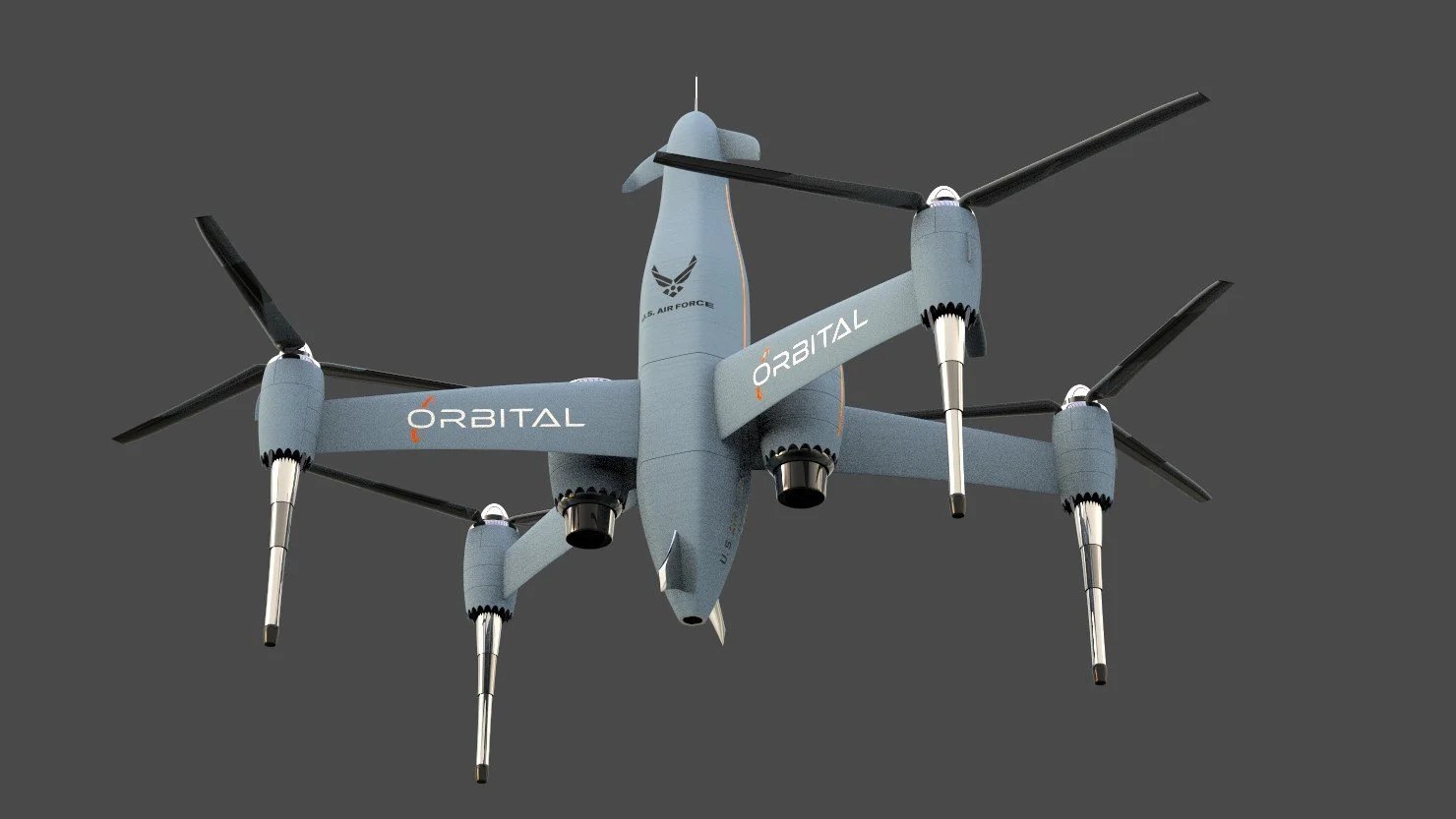
Composite airframes for a range of drones, including interceptors. Group 1 and Group 2 demonstrated.
↳ See the drone work →
Ceramic matrix composite nozzles for solid and liquid fuel engines. 5× cost and cycle time reduction.
↳ See the propulsion work →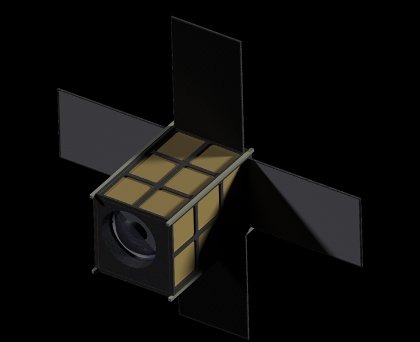
Composite bus structures with integrated thermal, radiation, and impact shielding.
↳ Defense & Commercial programs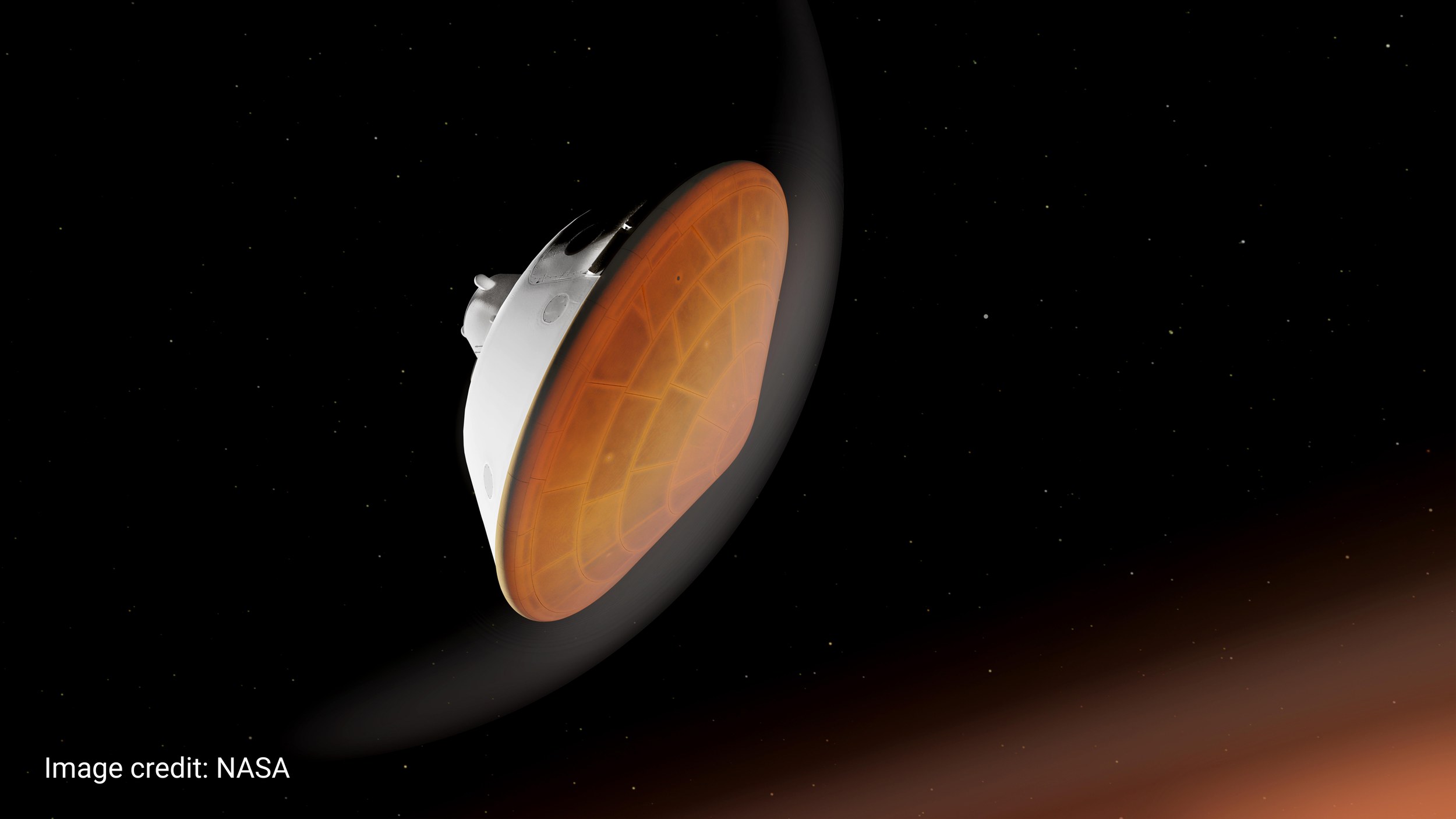
Composite structures for hypersonics and atmospheric reentry. Where metal cannot survive.
↳ Research collaborationsPolymer, carbon, and ceramic matrix composites — designed, simulated, printed, and learned on in one platform. The same cell prints a drone airframe in the morning and a rocket nozzle in the afternoon.
AI-assisted and generative design. From requirement to optimized composite geometry in hours, not weeks.
Physics-based modeling of cure, warp, stress, and failure — plus a digital twin of the factory itself. Predict before hardware moves.
Multi-axis robotic cells print aerospace-grade composites without tooling or layup. One platform — drones, nozzles, space structures.
In-cell sensing on every layer. The factory learns from every part — tightening tolerances, lifting yields, compounding capability.
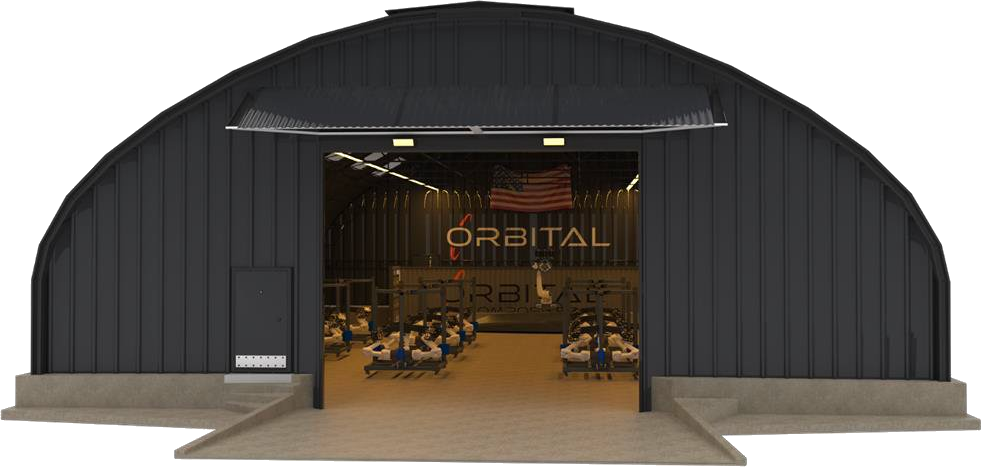
The most consequential industrial buildout in two generations is underway. Defense rebuilding magazine depth after two decades of optimization for a different threat. The space economy scaling from exquisite missions to industrial cadence. Advanced nuclear reshoring as the grid confronts AI-scale demand. Hypersonic systems, drone swarms, lunar infrastructure — all moving from laboratory to production at the same moment.
Every one of these systems is built on composites. And the composite industry that exists today was built for a different era: small volumes, long cycles, one-off aerospace programs. Not rate production. Not magazine depth. Not the industrial base this decade demands.
Orbital is the composite factory the next industrial base requires. Autonomous, modular, digital. Built to produce at rate, at cost, on American soil.
↳ Rate production · Domestic supply · Autonomous manufacturingFunded, deployed, and trusted across defense, aerospace, and national research programs.
Longer-form conversations where Amolak and Cole have gone deeper on the vision, the technology, and where Orbital is headed.
Amolak Badesha, CEO, on autonomous factories, advanced composites, and scaling defense, space, and energy production.
Amolak Badesha, CEO, on ambitious claims, large-scale composite structures, high-end consumer applications, and space as the long-horizon mission.
Jason Carman's Saturday Startups deep-dive on Orbital: carbon-fiber printing, the lunar gyroscope, high-speed drones, and hypersonic materials.
Cole Nielsen-Cole, CTO, on the founding inspiration, carbon-fiber hard problems, Artemis, and why building hard things matters.
Journalists, analysts, and broadcasters covering Orbital's work — alongside the interviews founders have given directly.
Hawaii News Now's Casey Lund broadcasts live from Honolulu Tech Week 2025, interviewing Amolak Badesha on composite manufacturing for mission-critical applications. Part of HNN's Pacific Impact Zone coverage.
Hawaii News Now · Pacific Impact ZoneIn-depth written profile of Amolak Badesha — his semiconductor background, why composites define the manufacturing edge, and Orbital's path from VTOL aircraft to reentry heat shields.
Infinite FrontiersCompositesWorld covers the Tactical Funding Increase (TACFI) contract — building on $10M+ in total government awards and aligning with the Pentagon's Replicator initiative for autonomous systems at rate.
CompositesWorldTechCrunch covers the 2027 demonstration mission — precursor to megawatt-class space-based solar installations by 2030, combining Orbital's in-space manufacturing with Virtus Solis power-transmission technology.
TechCrunchSpaceNews reports the SpaceWERX Orbital Prime SBIR award for in-space servicing, assembly, and manufacturing — robotic 3D printing of antennas for satellite broadband and kilometer-scale space-based solar arrays.
SpaceNewsPayload covers the original MOU between Orbital and Virtus Solis — the foundational partnership for what became the 2027 demonstration mission and the path toward gigawatt-scale orbital solar installations.
PayloadEvery mission that matters runs on parts
that shouldn't be possible.Composites are how the impossible flies,
reaches, contains, returns.For fifty years, the material outran the factory.
Not anymore.
If you're building what comes next — in defense, space, or energy — let's talk.